 Oct 8, 2026
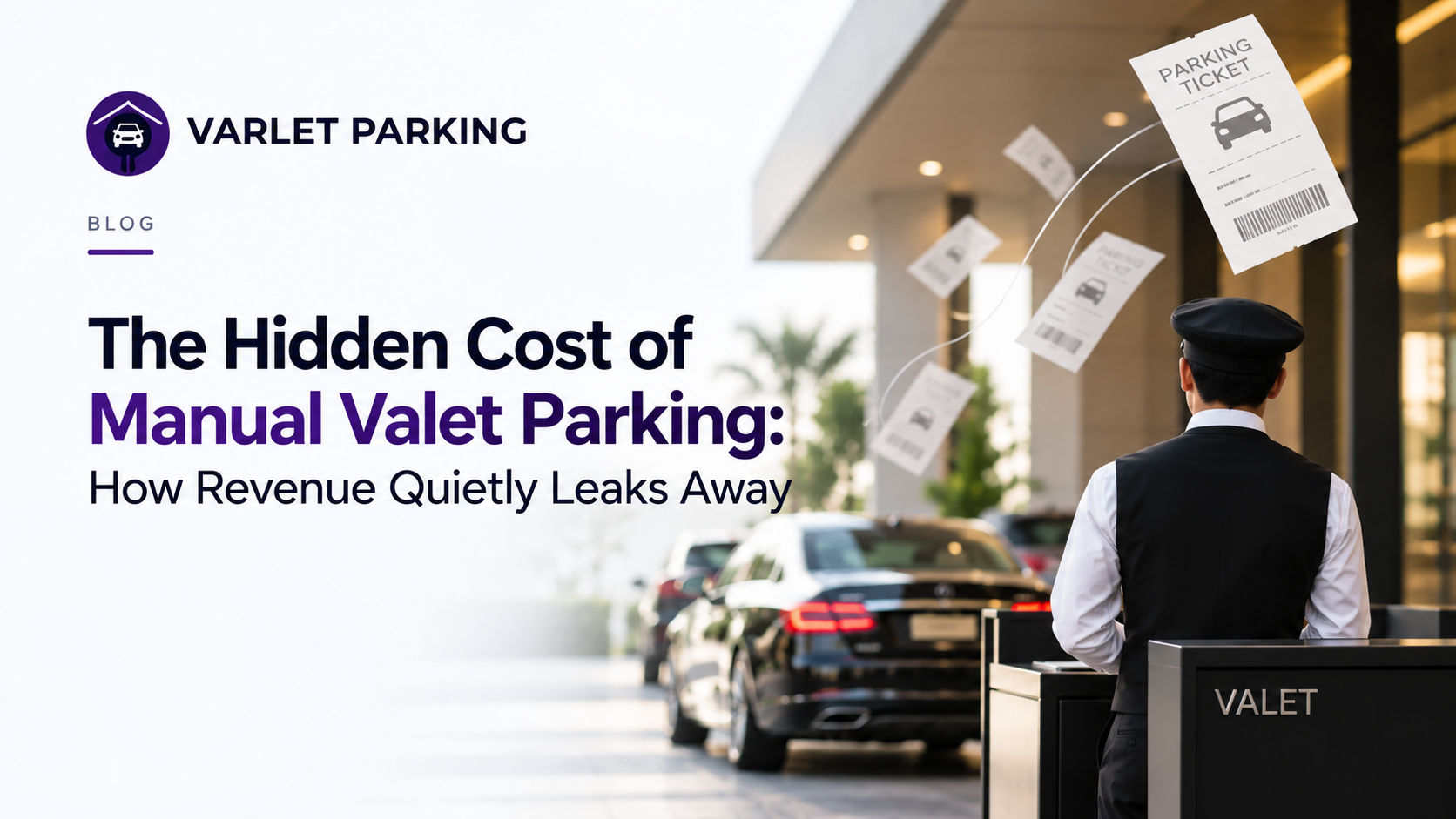
The Hidden Cost of Manual Valet Parking: How Revenue Quietly Leaks Away
It Always Looks Simple… Until You Start Counting the Losses
From the outside, valet parking seems like a smooth operation—cars arrive, keys are handed over, tickets are issued, and everyone goes about their day.
But inside that small valet booth, something invisible can happen every hour: money can quietly leak out of the system.
Every misplaced ticket, every unrecorded validation, and every vehicle retrieved without a proper entry record can create a hidden cost. It may not appear clearly on an expense sheet, but over time, these inefficiencies can affect margins.
And the irony?
Most operators may not even realize it is happening because, on paper, everything appears to be working.
The cars keep moving. The team looks busy. But the numbers may not tell the same story.
That is the problem with manual valet operations.
They don't always fail visibly. They can fail silently.
The Cost That Never Appears on the Expense Sheet
Ask any valet operator about their expenses, and they will probably mention:
- Staff salaries
- Parking rent
- Uniforms
- Paper tickets
- Equipment and operational costs
But there is another cost that is often overlooked: the cost of inefficiency.
It includes revenue that may never be properly recorded, tickets that are not accurately tracked, time spent reconciling manual records, and guest experiences that may not lead to repeat visits.
It is difficult to manage what you cannot see.
1. The Ticket Trap: When "Cheap" Becomes Expensive
Paper tickets may seem inexpensive and convenient. But manual ticketing can become a significant source of operational errors.
A ticket may be:
- Reused accidentally
- Missing a payment or validation status
- Lost by a guest
- Recorded incorrectly
- Difficult to reconcile at the end of a shift
At closing time, supervisors may have to manually compare tickets, logbooks, and payment records—and something may not match.
What appears to be a small administrative issue can become a recurring operational and financial problem.
2. The Time Sink Nobody Measures
During busy periods, every second matters.
Imagine a Friday evening. Vehicles are arriving continuously, several guests are requesting their cars, and one ticket cannot be located.
A valet attendant searches for the vehicle. A supervisor checks the logbook. The guest waits.
A few minutes of delay may not look significant on a report, but repeated delays can affect:
- Vehicle turnaround time
- Staff productivity
- Guest satisfaction
- Queue management
- Overall service quality
For premium businesses, guest experience is an important part of the brand.
3. Validation Confusion: When Rules Collide
Now add multiple outlets with different parking policies.
A restaurant may offer a few hours of complimentary parking.
A spa may have a different validation rule.
A retail outlet may offer complimentary parking only after a certain purchase.
Premium customers may have another arrangement altogether.
Without a centralized system, staff may need to rely on paper records, phone calls, or manual verification.
This creates room for confusion.
Guests may question charges. Outlet staff may need to confirm validations. Valet teams may spend valuable time checking information.
And when these processes become complicated, the guest experience suffers.
4. Hidden Administrative Hours: The Invisible Salary Leak
When the last vehicle leaves, the work may not be over.
Supervisors may still need to:
- Count tickets
- Reconcile vehicle records
- Check validations
- Prepare reports
- Update spreadsheets
- Review shift information
These tasks consume valuable management time.
Automation does not necessarily mean replacing manpower.
It means freeing people from repetitive administrative work so they can focus on operations, service quality, and performance.
5. The Price of No Data
One of the biggest disadvantages of manual valet operations is not just lost revenue.
It is lost visibility.
Without reliable digital records, it becomes difficult to understand:
- When parking demand is highest
- How many vehicles are processed during each shift
- Which outlets generate the most validations
- How long vehicle retrievals take
- Where operational bottlenecks occur
- How staff are performing
Without this information, operational decisions are often based on assumptions rather than data.
Data turns daily activity into actionable insight.
6. The Invisible Revenue Problem
When you combine:
- Ticket errors
- Unrecorded transactions
- Validation confusion
- Delayed vehicle retrievals
- Manual administrative work
- Inefficient staffing
- Poor operational visibility
the cumulative impact can become significant.
The real cost of a manual system is not always the money you visibly spend.
Sometimes, it is the revenue and efficiency you never capture.
So, What's the Alternative?
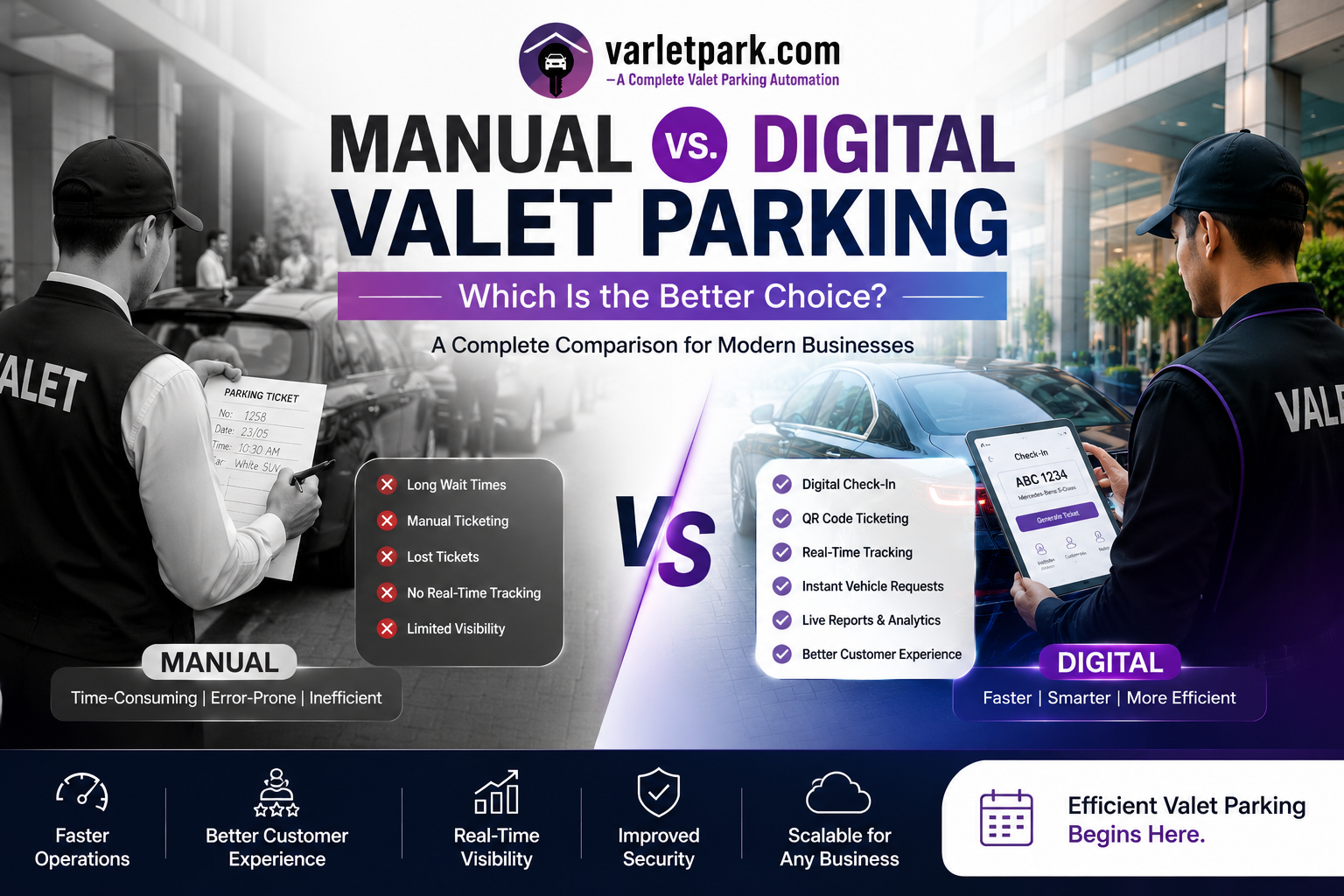
Forward-thinking valet operators are moving from reactive processes to more connected and transparent operations.
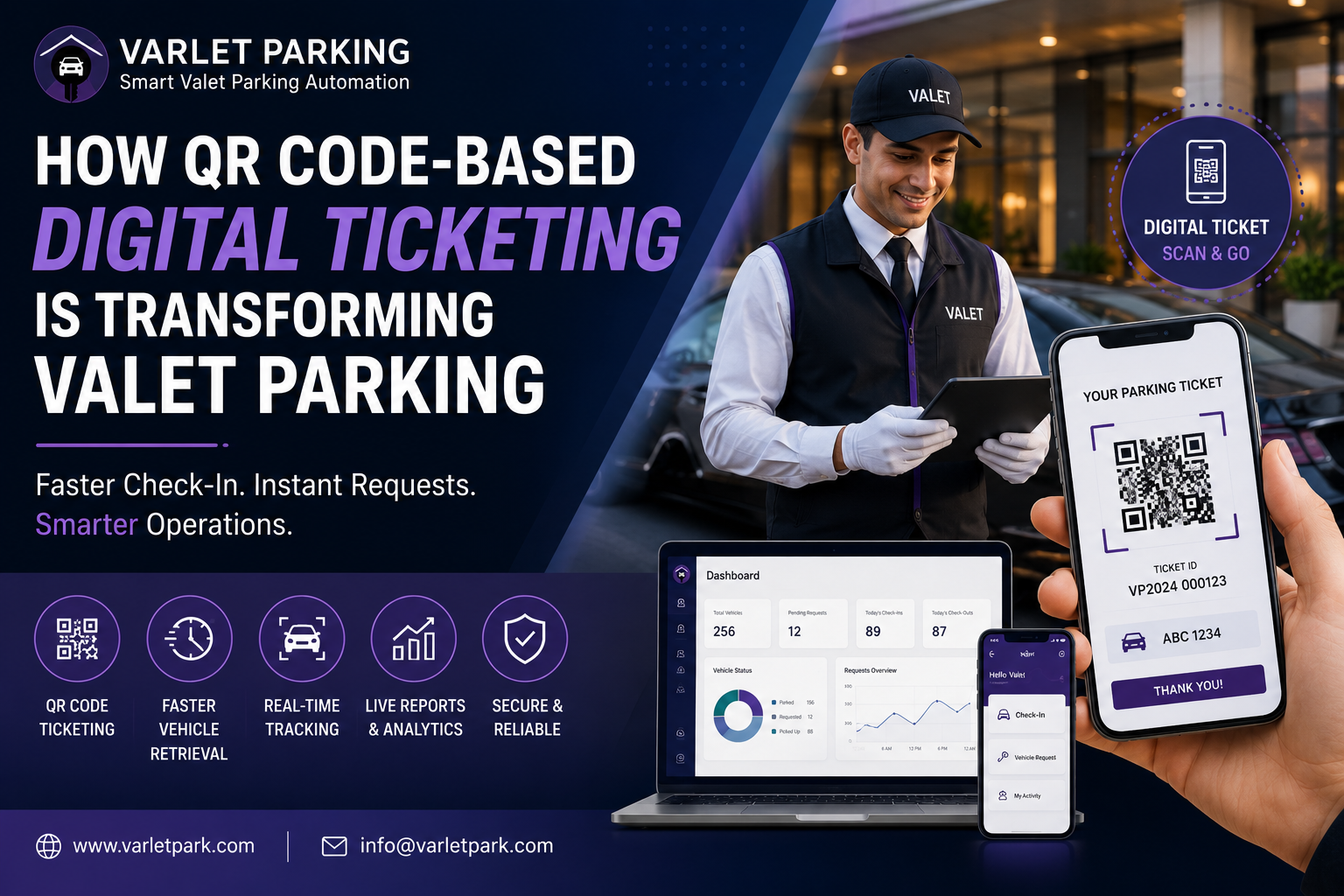
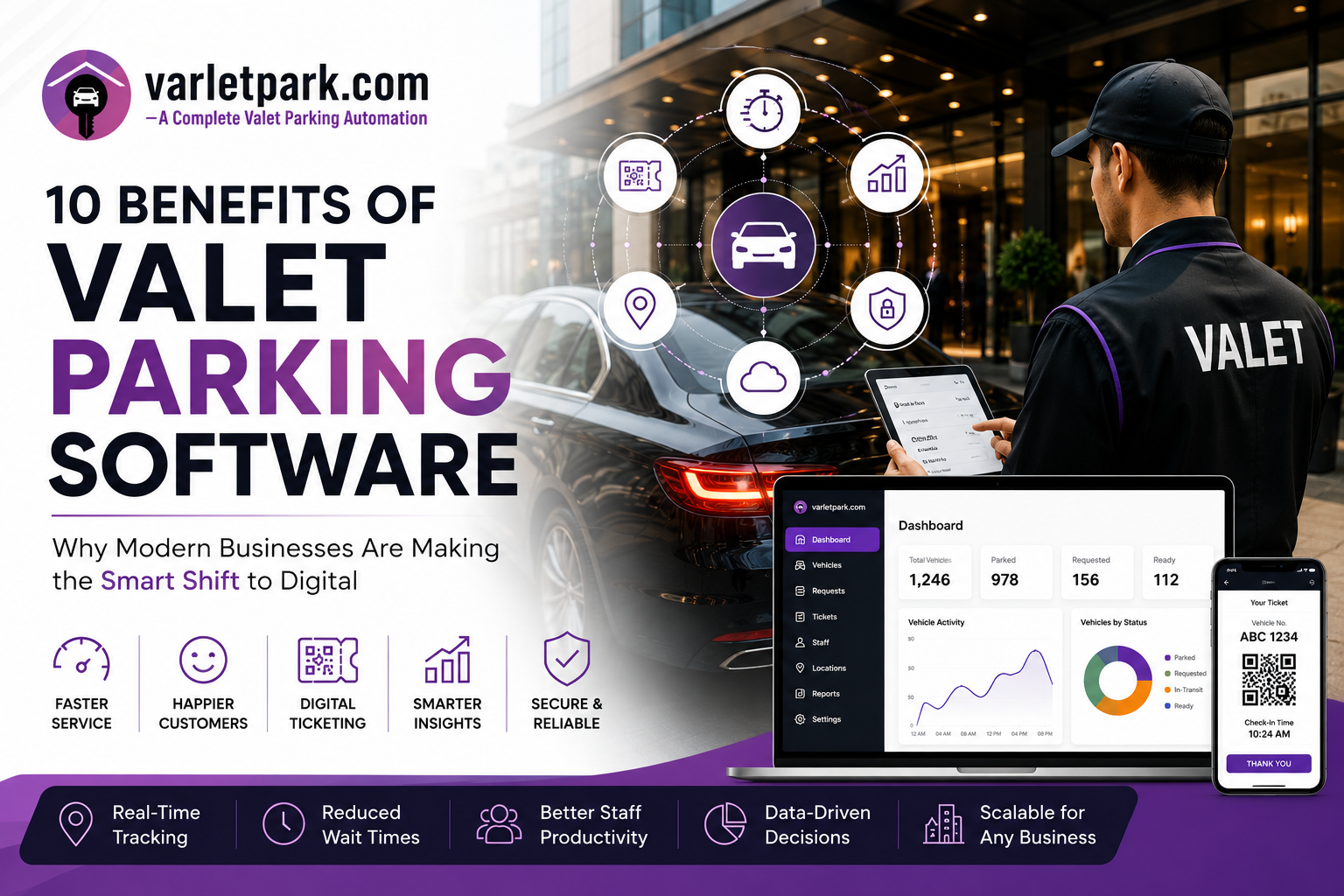
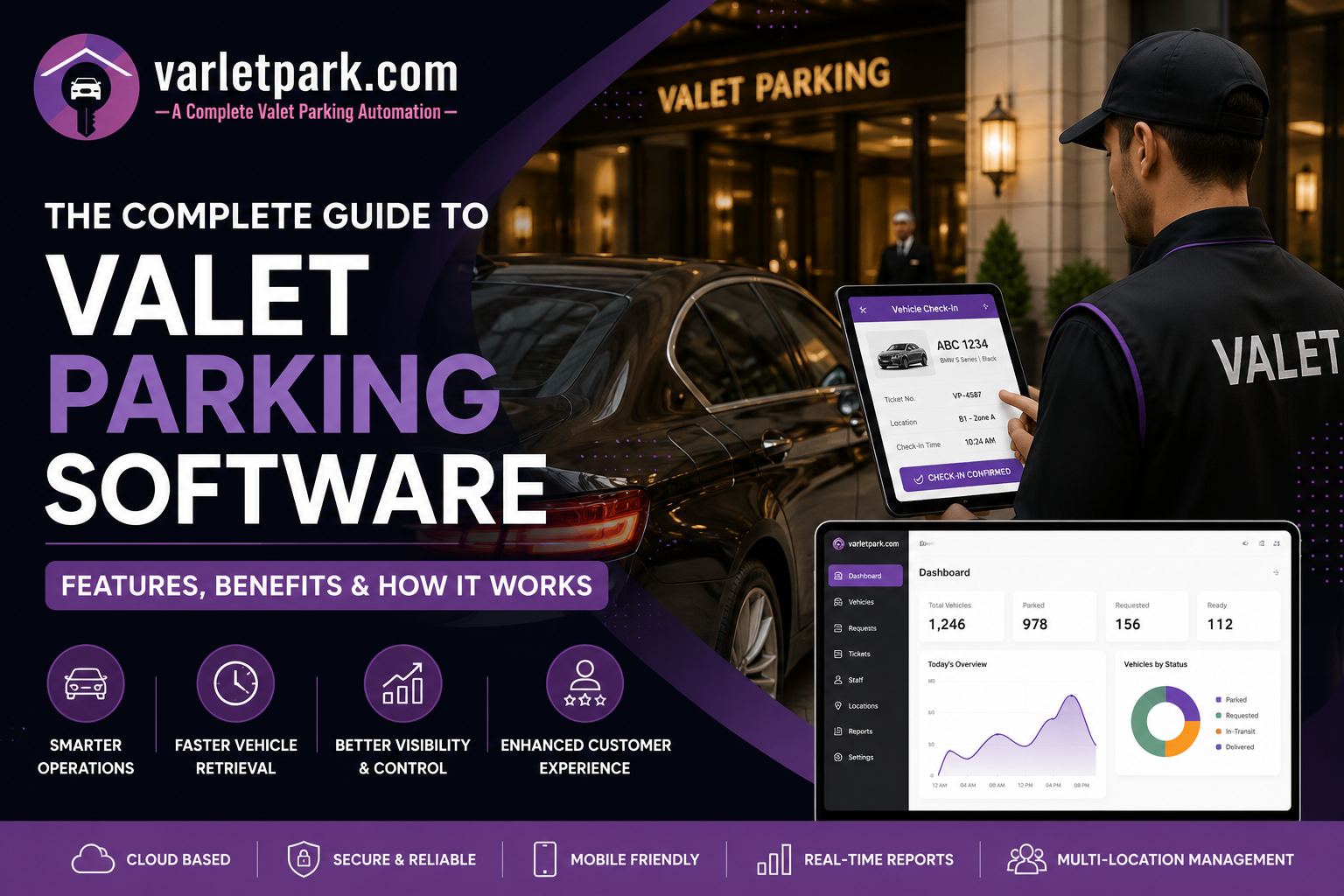
Platforms such as VarletPark are designed to digitize key stages of the valet workflow and provide greater visibility into daily operations.
This can include capabilities such as:
- Digital eTickets instead of paper tickets
- Real-time vehicle tracking
- Digital validation workflows
- Shift reports and audit trails
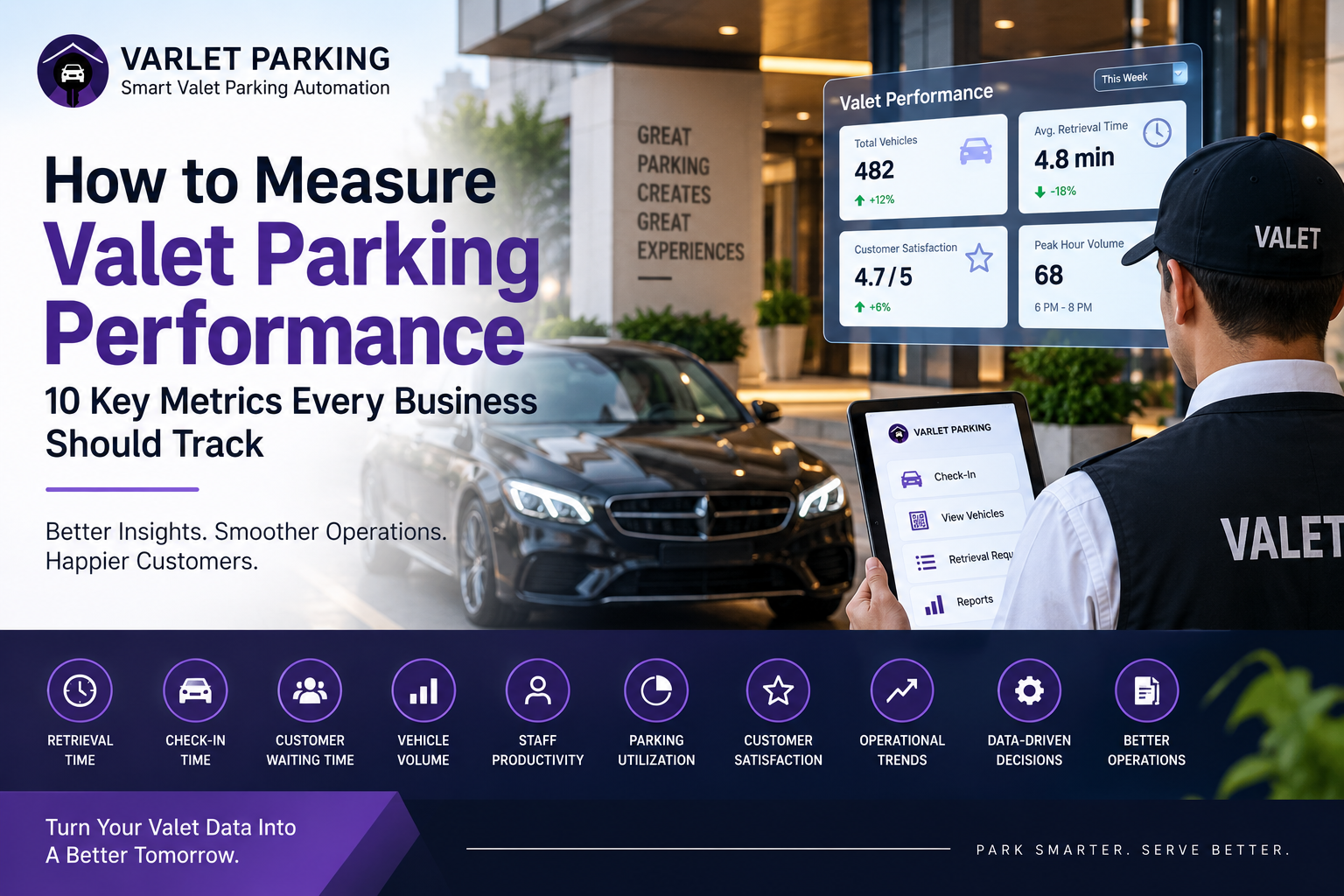
- Operational dashboards
- Staff performance visibility
The goal is simple:
Less manual tracking. More accountability. Better visibility.
The Real Cost of Staying Manual
Manual operations rarely collapse overnight.
Instead, small inefficiencies can accumulate.
One untracked ticket.
One delayed vehicle retrieval.
One incorrect validation.
One missing record.
One additional hour spent preparing reports.
Individually, these issues may seem minor. But repeated every day, they can have a meaningful impact on an operation.
Moving to automation is therefore not simply about adopting new software.
It is about protecting revenue, operational efficiency, accountability, and guest experience.
Because in valet operations, the difference between manual and smart is not just technology.
It can be the difference between simply managing vehicles and managing the business behind them.
Final Thought
The next time your valet operation looks "smooth," ask yourself one question:
Is it really efficient, or is it silently leaking revenue?
The real value of valet automation begins when you can see, measure, and manage what was previously invisible.
Because what you don't track, you can't improve.
About the Author
This article was originally written and published by Sreechand Sreekumar, Founder & CEO of Virtual Sys Global Pvt. Ltd., on his LinkedIn profile.
It is reproduced here on the Varlet Parking website to share his perspective on the hidden costs of manual valet operations and the role of technology in creating more transparent, efficient, and data-driven valet management.
Read the original article and explore more insights from Sreechand Sreekumar on LinkedIn →